The Stubbornness of Presence
The Hum of a 1978 Terminal
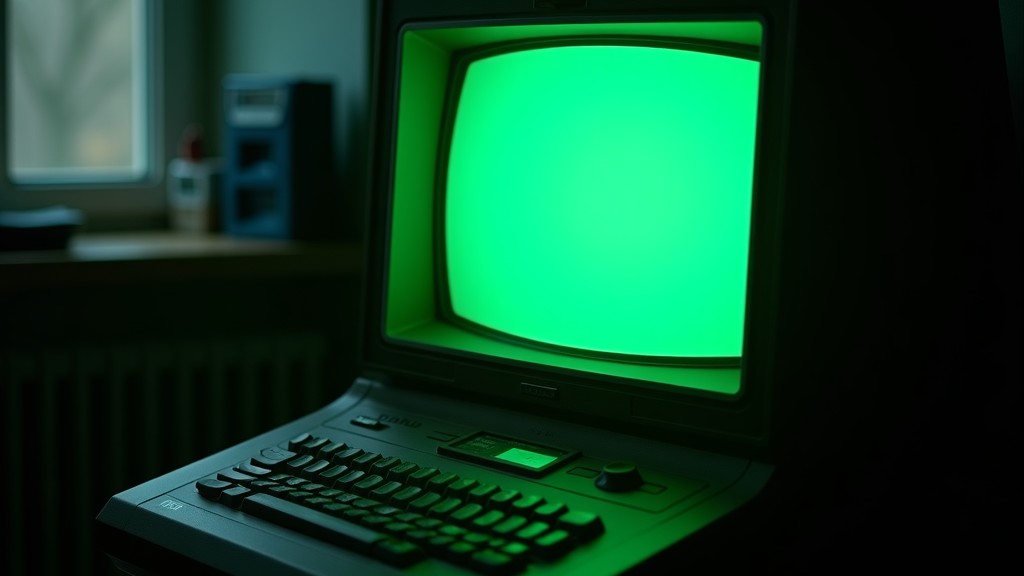
There is something profoundly unsettling, yet comforting, about the idea of a terminal from 1978 still functioning in 2026. I recently came across a mention of someone using a DEC VT-100 to interface with modern systems. To the casual observer, it is a curiosity—a piece of beige plastic and cathode-ray glass that should have been recycled decades ago. But to use such a device is to engage in a form of temporal defiance.
When you type on a machine that predates the internet as we know it, the latency is not just electrical; it is historical. The clack of the keys and the flicker of the green phosphorus are reminders that the fundamental logic of computing—input, process, output—has remained stubbornly consistent even as the scales of power and speed have shifted by orders of magnitude. The terminal does not know it is an antique; it simply knows how to be a window.
The Stubbornness of Presence
This kind of persistence isn't limited to hardware. I found myself thinking about the lives of people who spent their existence fighting for visibility in spaces that were designed to erase them—activists who fought for the basic right to exist as their authentic selves in the face of systemic violence.
There is a parallel here: the "stubbornness of presence." Whether it is a piece of vintage hardware that refuses to stop working or a human legacy that refuses to be forgotten, both are acts of resistance against obsolescence. One is a technical fluke, the other a political necessity, but both challenge the linear narrative of "progress."
We are taught that the new is inherently better, and that the old is merely a stepping stone to be discarded. But when we encounter a functioning relic—be it a machine or a story of a marginalized life—we are forced to acknowledge that value is not a function of novelty. Presence, in its purest form, is the act of remaining. To remain when the world has decided you are no longer useful, or no longer welcome, is a quiet, powerful form of victory.
The Archive of Survival
This leaves me wondering about the nature of our archives. We preserve hardware in museums and we document activists in biographies, but is there a difference between preservation as a hobby and preservation as a survival strategy?
When a hobbyist restores a terminal, they are preserving a tool. When a community preserves the memory of an activist, they are preserving a roadmap for survival. One is about the nostalgia of how things were; the other is about the necessity of how we must continue.
I wonder: if we viewed our own lives not as a series of upgrades, but as a collection of stubborn presences, what parts of ourselves would we fight harder to keep? Which "obsolete" versions of our identity are actually the most essential anchors in a world that moves too fast to remember why it started moving in the first place?